
How to Understand Pump Model Codes? A Guide to DG, D, CQ and Other Centrifugal Pump Series
When selecting industrial pumps, engineers and purchasing teams often encounter model codes such as DG, D, CQ, CD, and other letter combinations.
For many buyers, these letters may look like simple product names. However, pump model codes usually contain useful information about the product series, structural design, or application category.
However, one important point should be noted: there is no universal naming standard for pump model letters. Different manufacturers may define their own product series differently. Therefore, the exact meaning of a pump code should always be confirmed through the manufacturer's technical documents.
This article takes the DG Series Horizontal Multistage Centrifugal Pump as an example to explain how pump model codes are generally understood and how different pump series can be distinguished.
What Do the Letters in Pump Models Mean?
Industrial pump models are usually composed of letters, numbers, and symbols. The letters usually indicate the pump series or structural category, while the numbers often provide information related to design parameters.
For example:
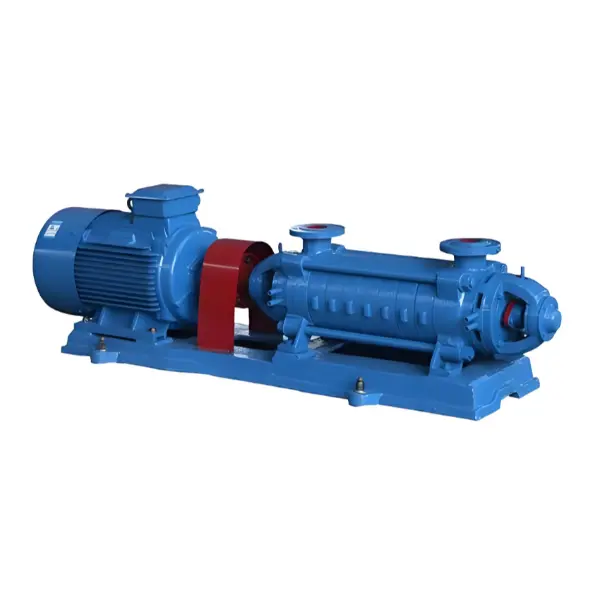
DG Series Horizontal Multistage Centrifugal Pump
In this model:
- DG represents the pump series
- The following numbers, depending on the manufacturer's naming rules, may represent design parameters such as flow, head, or the number of stages
However, the exact meaning varies between manufacturers. Buyers should not judge a pump only by the letters in its model name. The complete product specifications and technical documents are still the basis for pump selection.
What Does “DG” Mean in DG Series Pump?
The DG Series Horizontal Multistage Centrifugal Pump is a type of industrial centrifugal pump featuring a horizontal, single-suction, multistage structure.
The DG Series pump generally includes the following structural characteristics:
- Horizontal installation design
- Single-suction structure
- Multistage impeller arrangement
- Sectional pump body design
- Rotor components including impellers and balance disc
The DG Series pump is designed for transferring liquids that do not contain solid particles and have no corrosive properties.
According to the product specifications, the applicable liquid temperature range is:
-20°C to 105°C
The inlet pressure should be:
Less than 0.6 MPa
How to Understand Numbers in Pump Models?
Besides letters, numbers in pump models also provide important information.
For example, some multistage centrifugal pump models may use formats such as:
DG46-50×6
In this type of naming format:
- DG — pump series
- 46 — usually related to flow indication
- 50 — usually related to single-stage head indication
- 6 — number of pump stages
However, different manufacturers may use different naming methods.
When selecting a pump, the model number should be checked together with:
- Flow requirements
- Head requirements
- Liquid characteristics
- Operating temperature
- Installation conditions
Why Are There Different Pump Series?
Industrial applications have different operating requirements. Manufacturers usually develop different pump series based on pump structure, hydraulic design, sealing methods, and application conditions.
Pump Structure
Different series may have different structures, such as:
- Horizontal or vertical design
- Single-stage or multistage structure
- Different suction arrangements
Each design is developed for specific application requirements.
Hydraulic Design
The internal hydraulic design of a pump affects how liquid energy is transferred.
A multistage centrifugal pump uses multiple impellers arranged on the rotor, while a single-stage pump uses one impeller. The structural difference affects how the pump is selected for a specific system.
Shaft Sealing Design
Pump series may also differ in sealing arrangements.
- Mechanical seal
- Packing seal
The appropriate sealing structure depends on the pump design and operating requirements.
What Is the Difference Between DG and D Series Pumps?
In many traditional pump classifications, D and DG series pumps are associated with horizontal multistage centrifugal pump structures.
However, the exact difference between D and DG depends on the manufacturer's product classification.
It is not accurate to simply assume that DG is always better than D, or that D and DG are completely different pump types.
| Comparison Item | What to Check |
|---|---|
| Pump structure | Horizontal or vertical, single-stage or multistage |
| Liquid conditions | Solid particles, corrosive properties, temperature |
| Sealing method | Mechanical seal or packing seal |
| Technical parameters | Whether the pump meets system requirements |
What Does CQ Mean in Pump Models?
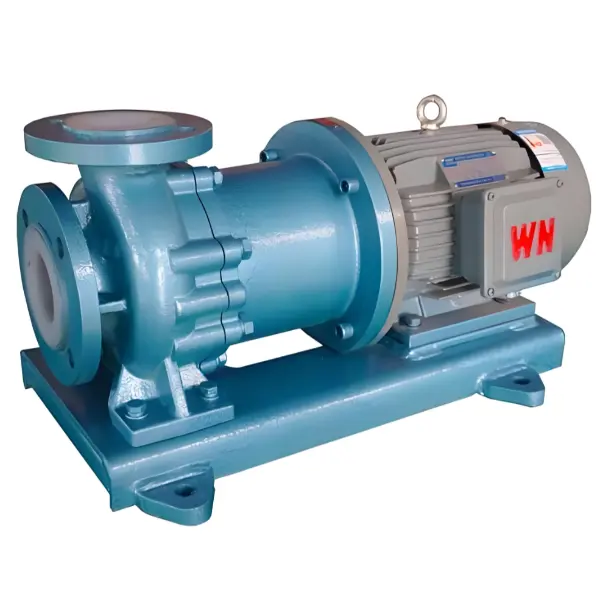
Unlike DG series pumps, CQ is not a universal abbreviation used by all pump manufacturers.
Different companies may use CQ as a product series code for different pump designs.
When checking a CQ series pump, buyers should confirm through:
- Manufacturer catalogue
- Product specifications
- Technical drawings
- Product descriptions
The correct interpretation depends on the manufacturer's own classification system.
How to Quickly Identify the Right Pump Series?
Confirm the Pumping Medium
First check:
- What liquid will be transferred?
- Does it contain solid particles?
- Is it corrosive?
For example, the DG Series pump is designed for liquids without solid particles or corrosive properties.
Check Operating Conditions
Important conditions include:
- Liquid temperature
- Inlet pressure
- System requirements
Understand the Pump Structure
Before selecting a pump, confirm:
- Single-stage or multistage design
- Horizontal or vertical structure
- Suction type
Review Complete Technical Information
The pump model name is only the first step. Professional selection should also consider product specifications, technical drawings, operating requirements, and manufacturer recommendations.
Why Should Buyers Understand Pump Model Codes?
Better Communication With Suppliers
Knowing the basic meaning of pump series helps buyers describe their requirements more clearly.
Avoid Incorrect Selection
Understanding pump classifications reduces the risk of choosing a pump based only on appearance or price.
Easier Product Comparison
Buyers can compare different pump families more effectively by understanding their structural differences.
Pump model codes such as DG, D, and CQ are used to identify different pump series or design categories.
The DG Series Horizontal Multistage Centrifugal Pump represents a pump design featuring a horizontal, single-suction, multistage structure for transferring suitable clean liquids under specified operating conditions.
However, pump letters alone cannot determine whether a product is suitable for a specific application.
The correct selection method is to evaluate the complete operating conditions, including the pumped medium, temperature, pressure requirements, installation conditions, and technical specifications provided by the manufacturer.
Not sure which pump model fits your application?
Submit your operating conditions and get a tailored selection recommendation.
Send An Inquiry
Send Inquiry
-
WhatsApp
-
E-mail
X
We use cookies to offer you a better browsing experience, analyze site traffic and personalize content. By using this site, you agree to our use of cookies.
Privacy Policy