
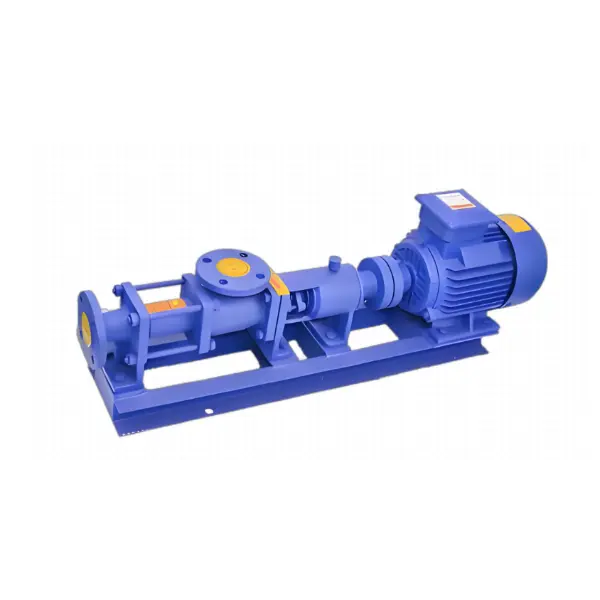
G Series High-temperature Print and Dye Pump: Breaking Through the High-Temperature, High-Viscosity Fluid Transfer Bottleneck, Bringing a New Efficient Choice to the Printing and Dyeing Industry
In the production chain of the printing and dyeing industry, the stable transfer of dyes and high-temperature inks has long been a persistent challenge for manufacturers. Dye viscosity fluctuates dramatically with temperature changes, inks often contain fine particles and entrained air, and conventional centrifugal pumps frequently suffer from cavitation, seal leakage, and unstable flow when handling such complex media—leading to production interruptions, compromised product quality, and even potential safety hazards.
High-Temperature Transfer Demands Across Multiple Industries Drive Technological Upgrades
The need for reliable high-temperature transfer of viscous, corrosive, or solids-laden fluids extends far beyond printing and dyeing. In petrochemicals, fine chemicals, food processing, papermaking, and new energy materials production, similar challenges are increasingly common. Chemical plants require stable feeding of hot-melt polymers above 120°C into reactors; food processors handle sticky syrups and chocolate pastes; and in environmental protection, sludge dewatering feed containing large amounts of fiber and sediment places severe demands on pumping equipment.
For a long time, domestic manufacturers facing these operating conditions had limited options: either rely on imported equipment with prohibitively high procurement and maintenance costs, or struggle with conventional centrifugal pumps that require frequent repairs and replacements, severely compromising production line efficiency. That landscape is now changing.
Technical Innovation Solves the "Positive Displacement" Challenge
To address these widespread industry bottlenecks, we have launched the G Series high-temperature progressive cavity pump (print and dye pump). This product operates on the internal rotary positive displacement principle, where a single-helix metallic rotor rotates within a double-helix elastomeric stator, forming a series of progressive, sealed, equal-volume cavities. As the rotor moves, these cavities smoothly transport the medium from the suction end to the discharge end—without shearing, pulsing, or emulsifying. This positive displacement technology fundamentally eliminates the cavitation and flow degradation issues inherent in high-speed centrifugal pumps.
What sets this series apart is its capability in extreme thermal conditions. For the 120°C to 350°C temperature ranges commonly encountered in printing, dyeing, and chemical processing, the G Series incorporates high-temperature alloy rotors and specialty elastomer stator compounds, with optional thermal jacketing to maintain dimensional stability and pumping efficiency under the most demanding heat loads.
From "Frequent Shutdowns" to "Continuous Operation" – Field-Proven Results
In real-world applications across multiple printing and dyeing facilities, the G Series has demonstrated compelling performance advantages. A major printing and dyeing manufacturer in Zhejiang Province had previously relied on imported centrifugal pumps for high-temperature dye transfer. The mechanical seals failed every 45 days on average due to fine crystalline particles in the medium, with each maintenance outage costing over 8 hours of production loss. After switching to the G Series high-temperature progressive cavity pump, the progressive sealing structure between rotor and stator allowed soft particles to pass without clogging or seizing. Continuous trouble-free operation extended beyond 6 months, and overall equipment effectiveness (OEE) improved by nearly 20%.
In a petrochemical application, a chemical plant used the G Series to transfer polymer solutions with viscosities reaching 500,000 cP. Conventional gear pumps frequently tripped due to overloading as high-viscosity material filled internal clearances. The G Series, with its strong self-priming capability and high-torque drive design, delivered stable feed and precise metering—eliminating batch quality variations caused by inconsistent feed rates.
Flexible Installation for Seamless Integration with Existing Production Lines
From an installation perspective, the G Series features a compact footprint and supports both horizontal and vertical mounting configurations. Inlet and outlet orientations can be customized to match site-specific piping layouts, significantly reducing retrofitting complexity and pipe stress. For common issues like slurry settling and line blockages in dye houses, our engineering team recommends appropriate feed-side mixing arrangements to maintain media homogeneity, and we optimize rotor lead lengths based on actual viscosity curves—measures that have been validated across numerous customer sites to extend stator and rotor replacement intervals.
Comprehensive Support for Long-Term Reliability
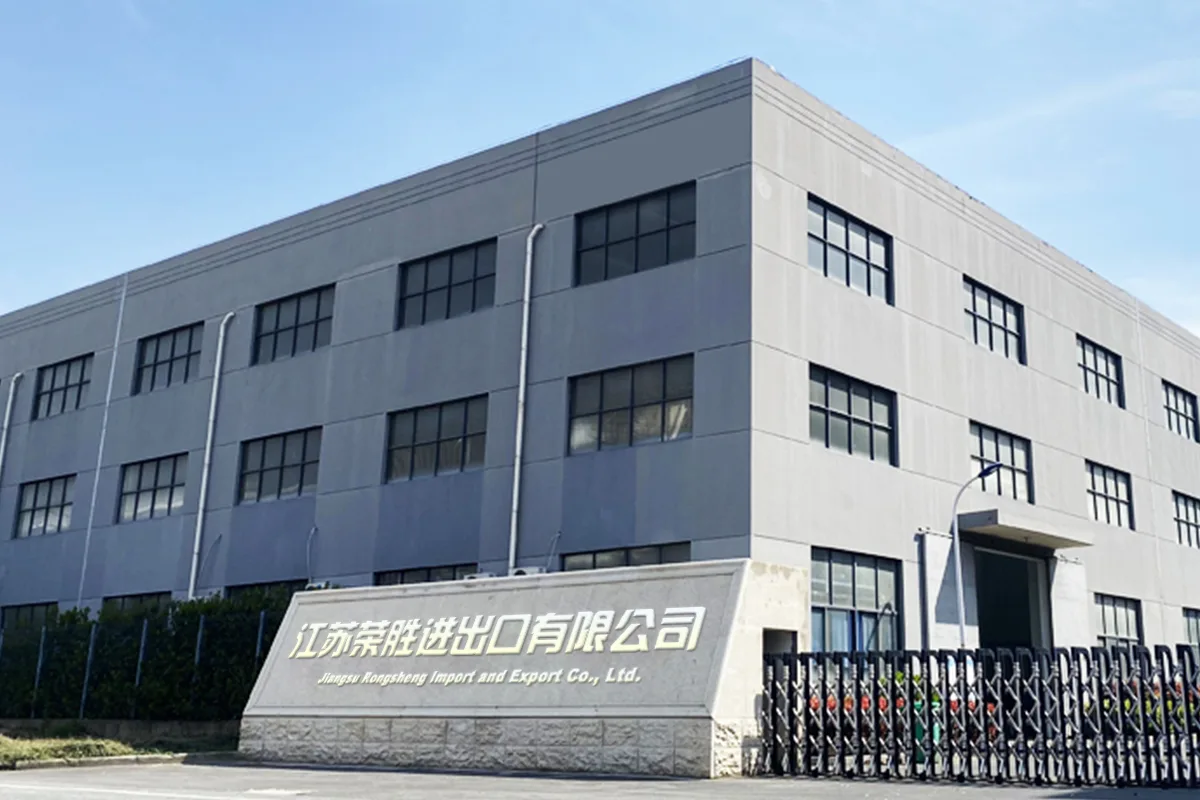
From selection consulting to installation guidance and spare parts availability, we provide full lifecycle technical support. Every pump undergoes rigorous load testing before shipment, and critical wear components—stators and rotors—are engineered to deliver 30%–50% longer service life compared to conventional designs. For overseas customers, remote video-guided installation and commissioning services ensure rapid deployment anywhere in the world.
As downstream industries continue to raise the bar for product quality and production efficiency, traditional pumping solutions are proving inadequate. The adoption of the G Series high-temperature progressive cavity pump is helping an increasing number of manufacturers reduce their dependence on imported equipment, achieving more efficient continuous production at lower total operating costs.
Send Inquiry
-
WhatsApp
-
E-mail
X
We use cookies to offer you a better browsing experience, analyze site traffic and personalize content. By using this site, you agree to our use of cookies.
Privacy Policy